
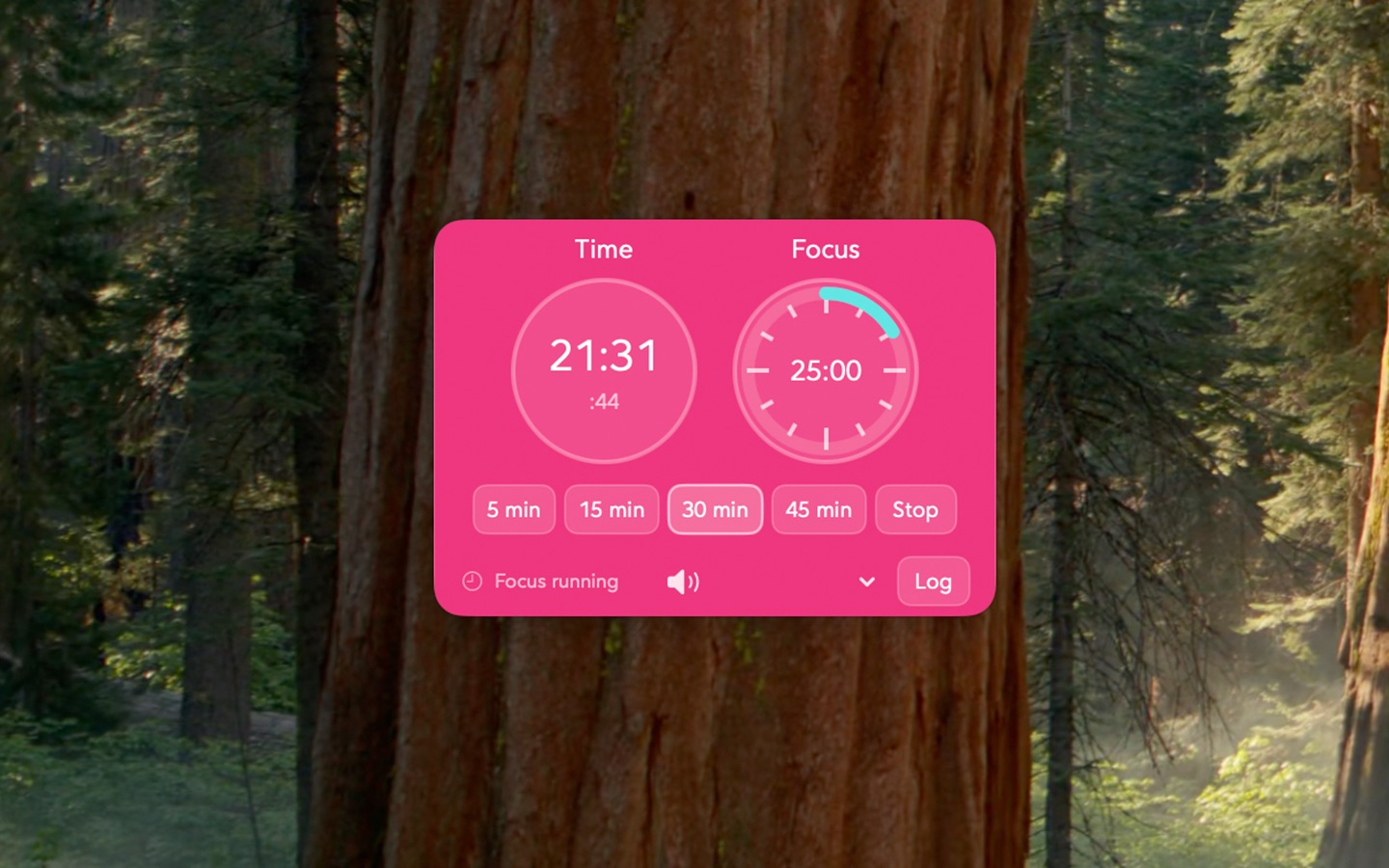
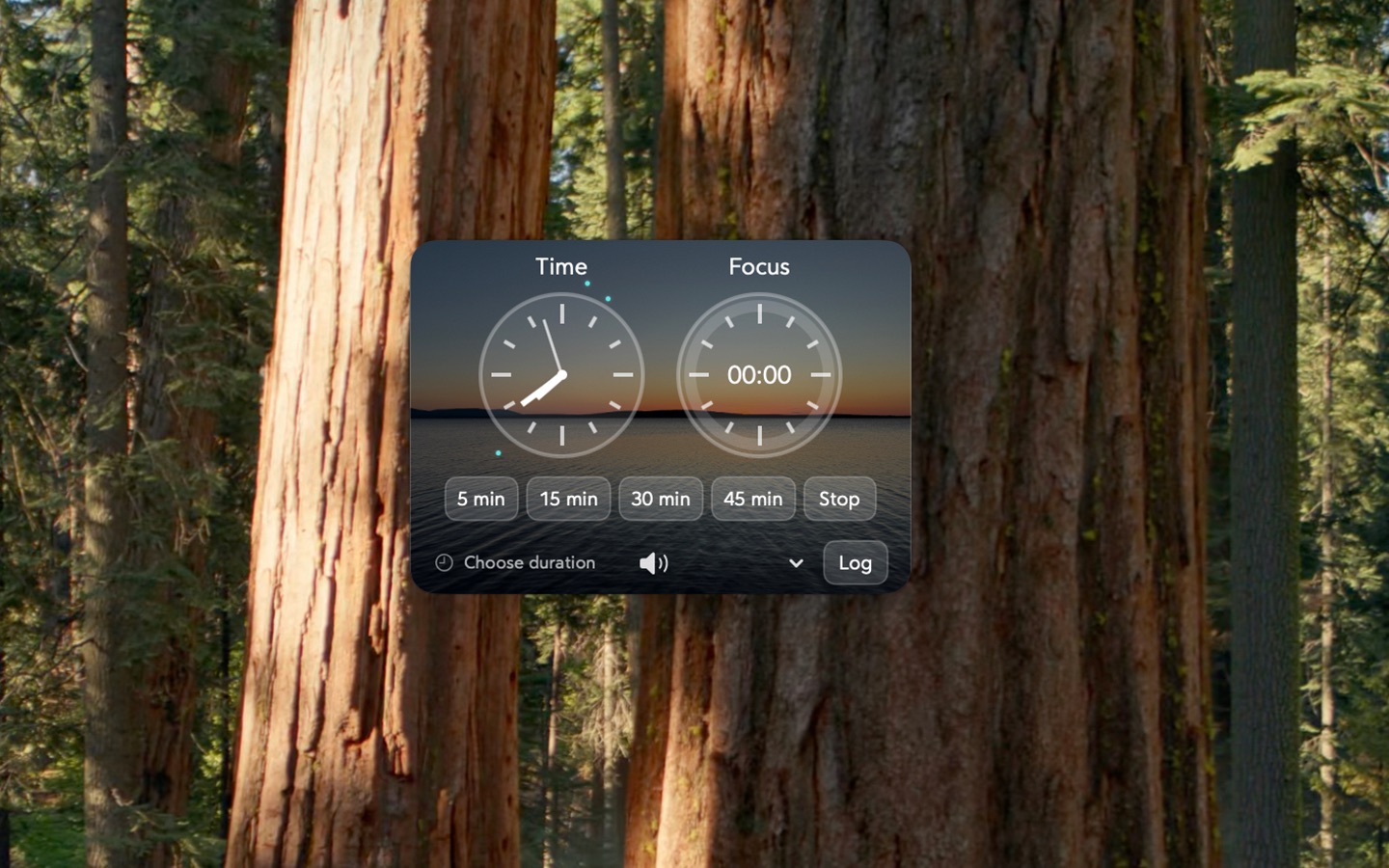

Dual Timer is available for macOS and iPhone:
Dual Timer is a part of Taavi Varm’s research for tracking time, attention and the creative process, developed through personal research work. The application emerged from a need to better understand how working time, focus, breaks, creative energy and flow take shape in everyday artistic research practice.
Dual Timer is not designed only to increase productivity. Its aim is to make the work process more visible and to support self-reflection: when focus emerges, how long creative energy lasts, when it is necessary to stop, how one’s state of being changes, and which rhythms support psychological well-being and creative sustainability.
The application helps to evaluate and document not only time, but also creativity, presence, motivation, fatigue, workflow and other subjective experiences that often remain difficult to grasp.
Core Design Principles
The Dual Timer application addresses these ten evidence-based principles designed to foster focus and well-being.
- Fixed Time Intervals: Using predefined 5 to 45-minute sessions reduces decision fatigue and provides an external scaffold for time-blindness.
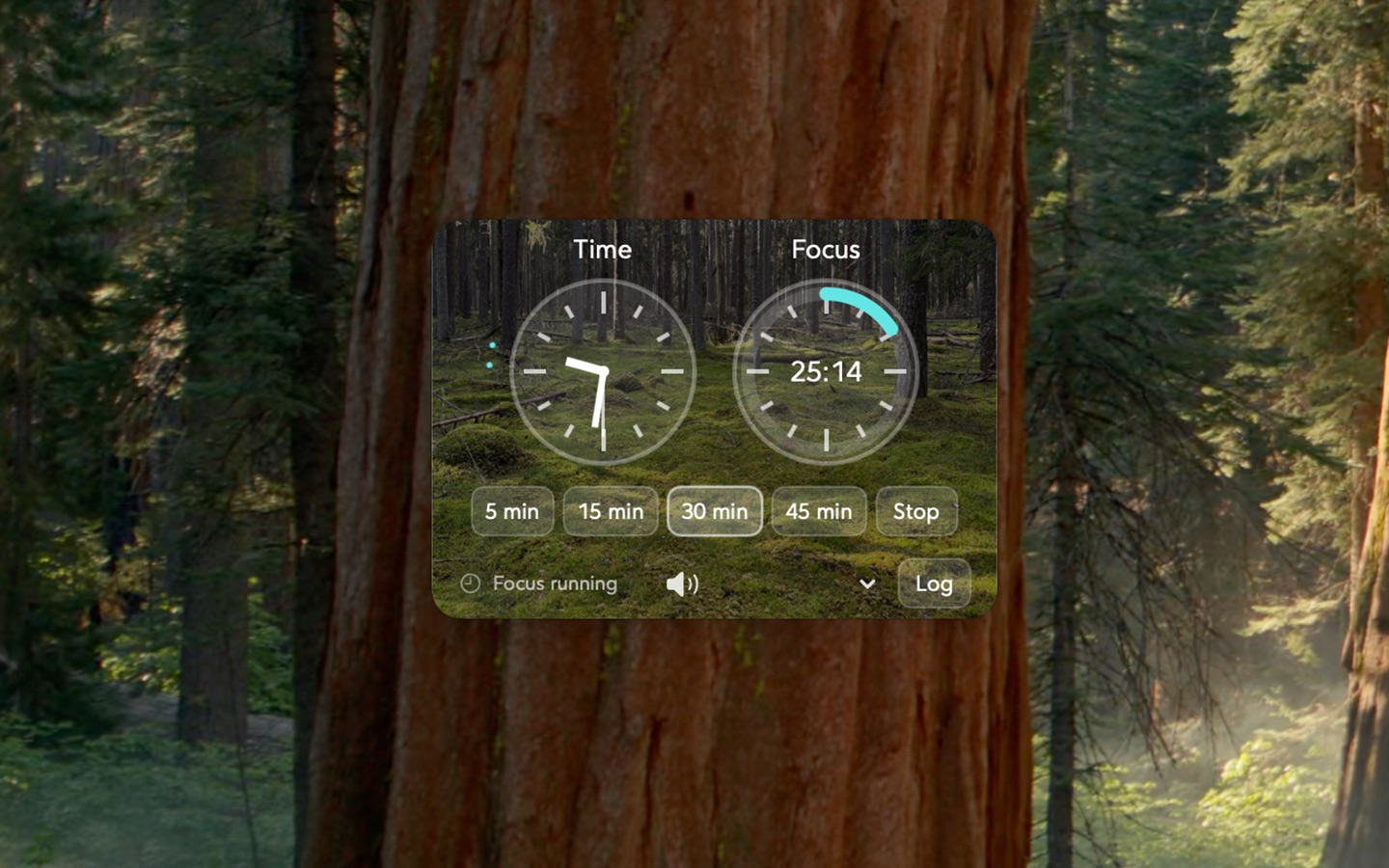
- Visual Time Representation: Side-by-side clocks place focus sessions within the broader context of the day, helping users concretize abstract time.
- Positive Reinforcement: An exclusive positive feedback system aligns with dopamine-related reward pathways, boosting motivation without inducing fear.
- Customizable Sensory Inputs: Themes, transparency, and clock styles accommodate hyper- or hyposensitivity, reducing potential for sensory overload.
- Long-term Self-Monitoring: Persistent logs enable metacognitive awareness, helping users identify natural productivity cycles and necessary recovery periods.
- Nature-Inspired Imagery: Incorporating nature backgrounds supports cognitive recovery through the psychological benefits of soft fascination and directed attention restoration.
By replacing “punishing” feedback loops with supportive, structured environments, we empower users to navigate their neurocognitive differences effectively.
Quiet support
Dual Timer is intended as a quiet form of support. It does not try to constantly direct, evaluate or overload the user with motivational notifications. Instead, the application creates a visible but unobtrusive structure that helps sustain the work process and reflect on it later.
In the context of artistic research, this is important because creative work does not always move in a straight line. Sometimes what is needed is deep focus, sometimes the noticing of breaks, and sometimes simply the feeling that the work already done is visible. Dual Timer supports this kind of slow, attentive and self-reflective way of working.
Research note
The application is not a therapeutic intervention or a medical tool. It can be understood as an artistic research and self-reflective aid that helps the user better notice, document and make sense of their own work process.
Dual Timer: Designing for Neurodiversity
Taavi Varm / EKA / 2026
Introduction
In today’s digital work environment, time perception, attention regulation, and self-management have become central prerequisites for productivity. For neurodivergent individuals — particularly those with attention-deficit/hyperactivity disorder (ADHD) and autism spectrum disorder (ASD) — these areas remain persistent challenges, closely tied to the specific characteristics of executive functions (Barkley, 1997a). Difficulties with executive functions directly affect behavioral inhibition, working memory, planning, and time perception, which is why conventional productivity tools often fail to meet the genuine needs of neurodivergent users (Chan & Langberg, 2024). At the same time, the neurodiversity paradigm has shifted how neurodivergence is understood: it is no longer viewed solely as a deficit, but as a natural part of neurological diversity. This perspective increasingly emphasizes the need to design environments and tools that accommodate different neurocognitive ways of functioning (Dray, 2026; Sousa & Harb, 2025).
Dual Timer is a productivity application for macOS designed with the needs of neurodivergent users in mind. The app displays two clocks side by side: the current time on the left and a focus session timer on the right, offering fixed session lengths of 5, 15, 30, and 45 minutes. When a session ends, the app provides a repeating audio alert, automatically saves results to a log, and allows only positive feedback. Customizability is supported through four visual themes, three language options, adjustable window transparency and size, and the ability to choose between an analog and a digital clock. The application’s concept is grounded in ten evidence-based design principles addressing time blindness, motivational difficulties, sensory processing differences, and the need for cognitive recovery.
This text presents the scientific rationale for these ten design principles, drawing on research from neuroscience, clinical psychology, environmental psychology, and human-computer interaction. For each principle, its neuropsychological basis and connection to empirical findings are highlighted. The aim of the text is to offer a framework applicable to the broader design of neurodiversity-informed digital tools.
1. Structure Based on Fixed Time Intervals
Dual Timer uses predefined session lengths of 5, 15, 30, and 45 minutes, thereby supporting the development of routine and the formation of stable behavioral patterns. From a neuroscientific perspective, a repetitive and predictable time structure may support executive functioning, which is often impaired in ADHD (Barkley, 1997a). According to Barkley’s (1997b) theory of self-regulation, external scaffolding of time structures is one of the key ways to compensate for the internal time perception deficits associated with ADHD. Kjellberg et al. (2017) found that time-based interventions improved the time planning and task completion abilities of children with ADHD, suggesting that fixed time intervals can serve as effective external support structures for adult users as well.
The deliberate avoidance of freely customizable time intervals is itself a design decision aimed at reducing decision fatigue. Turjeman-Levi et al. (2024) demonstrated that executive function difficulties mediate the risk of burnout among employees with ADHD, underscoring the need to minimize daily cognitive decision points. Fixed choices remove one potential decision barrier and make starting a session as cognitively effortless as possible.
2. Visual Time Representation and Time Context
The app simultaneously displays both the progress of the focus session and the current time, offering the user a more complete temporal perspective. This solution directly addresses time blindness, considered one of the most common and daily-life-impacting symptoms of ADHD (Ptáček, Weissenberger et al., 2019). A meta-analysis shows that time perception difficulties consistently occur across different measurement methods in children and adolescents with ADHD (Zheng et al., 2020), and these persist throughout adulthood in individuals with ADHD (Mette, 2023).
Through the analog clock and session markers, abstract time becomes more concrete and easier to perceive, placing the focus session within a broader daily context. Ptáček et al. (2021) emphasize that time perception disturbances should be treated as a core symptom of ADHD rather than a peripheral manifestation, which justifies the significant role of time perception support in the app’s design. Specific difficulties in understanding the concept of time have also been described in individuals with ASD (Hus, 2022), suggesting that visual time representation may offer them additional support.
3. Positive Feedback and Progress Visualization
The session markers displayed on the clock face and the log function provide the user with immediate visual confirmation of work completed. In the neuropsychology of ADHD, the dopamine hypothesis is one of the central theoretical frameworks: Volkow et al. (2009) showed that the dopamine-related reward pathway is impaired in individuals with ADHD, directly affecting motivation and reward sensitivity. MacDonald et al. (2024) have thoroughly analyzed the evidence base for the dopamine hypothesis using human and animal models and confirmed its clinical significance.
An important design principle of the application is that the feedback system is exclusively positive. This is grounded in research indicating the disproportionately harmful effect of negative feedback on the self-esteem and motivation of individuals with ADHD. Tripp and Wickens (2012) have shown that dopaminergic dysregulation makes individuals with ADHD particularly sensitive to reinforcement conditions. A long-term log supports self-reflection and the development of self-efficacy by providing visual evidence of the user’s cumulative contributions (van der Oord & Tripp, 2020).
4. Customizability and Support for Neurodivergence
The application offers a variety of visual customization options, including four color themes (Light, Dark, Lola Pink, Estonian Forest Summer), adjustable window transparency and size, and a choice between an analog and a digital clock. These options are informed by the sensory processing differences of neurodivergent users. Marco et al. (2011) describe the neurophysiological characteristics of sensory processing in individuals with ASD, which can manifest as both hyper- and hyposensitivity across different sensory channels. Aoki et al. (2020) have shown that ADHD and ASD share common neural correlates at the level of sensory processing, supporting the application of customizable design solutions for both user groups.
The option to choose between a digital and an analog clock also stems from a specific user need. Specific difficulties in reading analog clocks have been described in individuals with ASD (Allman, 2011; Poole et al., 2019). Allman (2011) addresses temporal processing deficits associated with autism, which can range from milliseconds to minutes, and the systematic review by Poole et al. (2019) confirms the breadth of time perception difficulties in ASD. Customizability therefore helps reduce both cognitive load and stress arising from sensory overload (Högstedt et al., 2022).
5. Long-Term Self-Monitoring as a Wellbeing Instrument
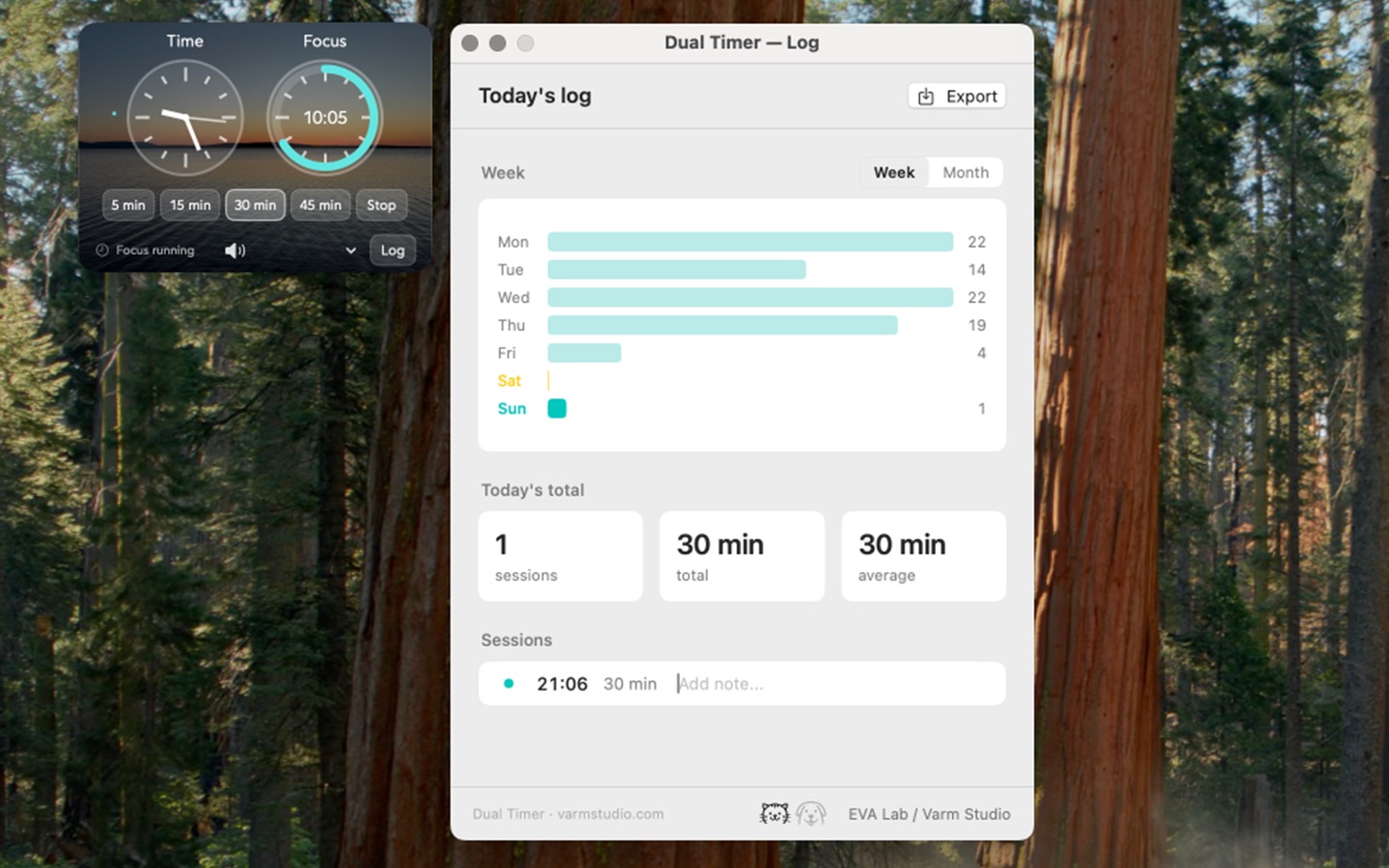
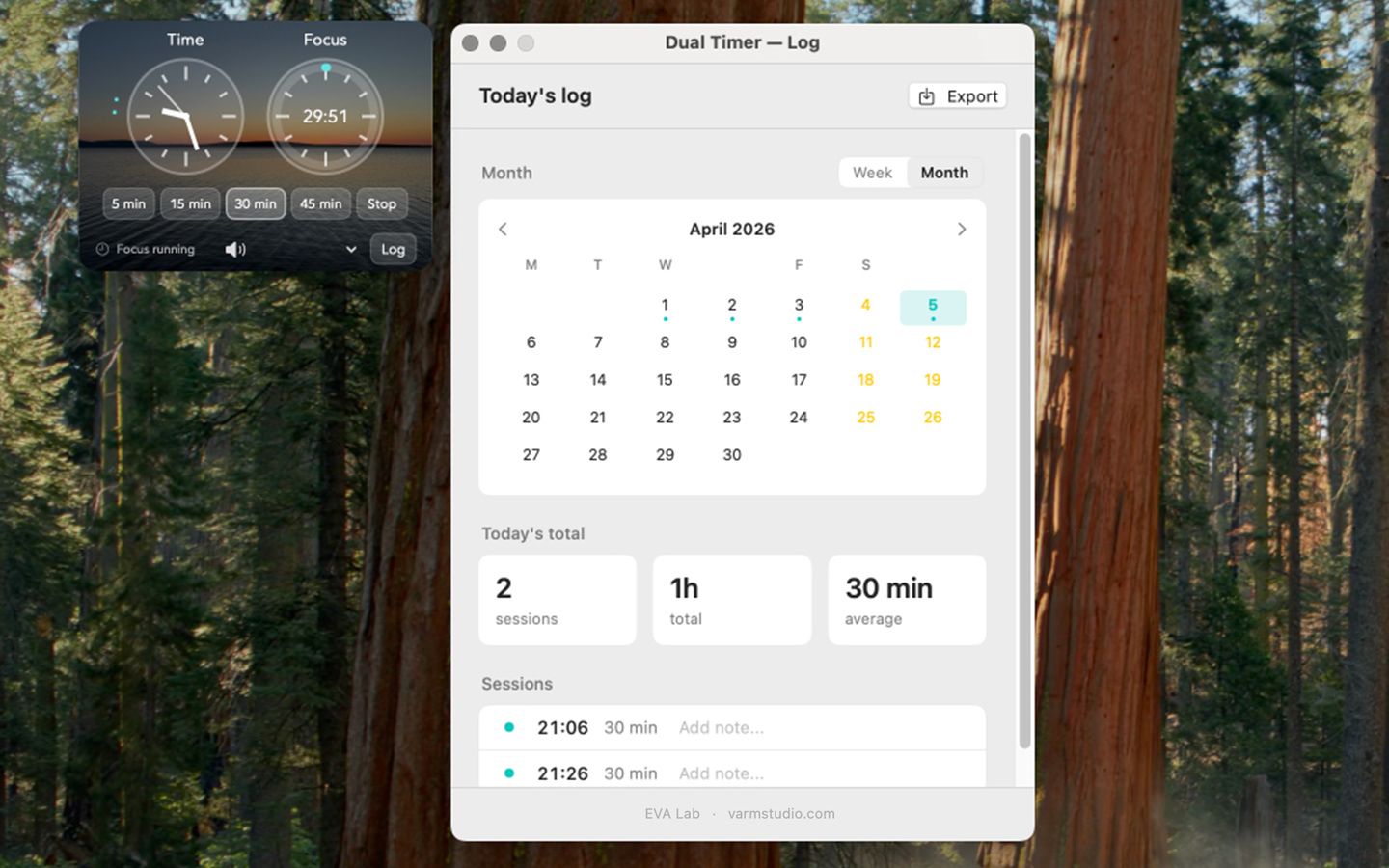
The automatic saving of sessions and the preservation of history for up to ten years allows users to track their productivity patterns over an extended period. This feature supports metacognitive awareness, which is of central importance for the self-regulation of individuals with ADHD. Solanto et al. (2010) showed in a randomized controlled trial that metacognitive therapy improves functioning in adults with ADHD, supporting the development of self-awareness and self-management. Butzbach et al. (2021) found that adults with ADHD exhibit a significant gap between subjective and objective cognitive self-assessment, which is why external data-based monitoring tools may be especially valuable.
Long-term data allows users to notice personal productivity cycles, suitable work rhythms, and recovery periods. Lenartowicz et al. (2024) emphasize the role of awareness training in ADHD interventions and suggest that metacognitive support could be integrated into everyday work tools. Such data-driven self-knowledge may be particularly valuable for users whose cognitive energy and focus vary noticeably across days and weeks (Grinblat & Rosenblum, 2023).
6. Personal Productivity Analytics and Understanding Capacity Limits
Log visualizations presented in weekly and monthly views offer users the opportunity to analyze the relationship between their cognitive capacity and workload. This helps identify recurring patterns — such as a drop in productivity following an intensive work period — and to plan activities in line with individual energy cycles. This approach aligns with self-regulation theory, which emphasizes the role of self-awareness in compensating for executive function difficulties (Barkley, 1997b).
The Creative Awareness Theory proposed by Champ et al. (2024) describes the internal self-regulation mechanisms of individuals with ADHD and emphasizes that growth in self-awareness is central to supporting productivity. Turjeman-Levi et al. (2024) have further shown that executive function difficulties mediate the relationship between ADHD and occupational burnout. This indicates that consciously monitoring and accounting for one’s capacity limits can serve as an important preventive strategy. From this perspective, productivity analytics offers both a retrospective overview and a prospective planning tool.
7. Multi-Sensory Notification System
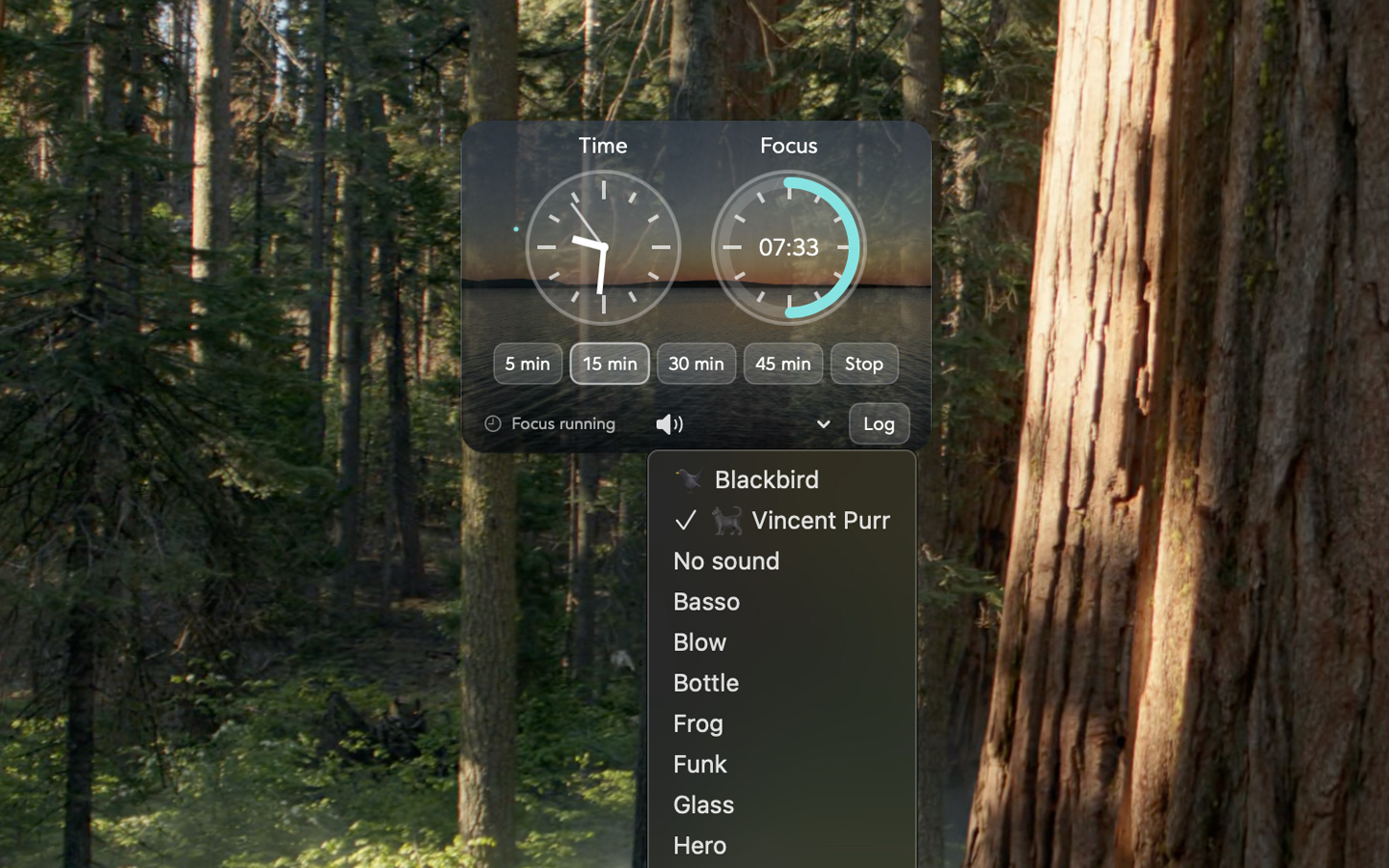
Dual Timer’s alarm system repeats an audio alert at regular intervals for up to 60 seconds. This design solution is grounded in the attention regulation difficulties characteristic of ADHD, where a single sensory stimulus may not be effective enough in capturing attention. Pastor-Cerezuela et al. (2017) found that both children with ADHD and ASD show significant sensory processing differences, and that these may be especially pronounced when the conditions co-occur. The systematic review by Gonçalves and Monteiro (2023) further shows that individuals with ASD exhibit both hypersensitivity and hyposensitivity in auditory processing.
A repetitive but non-intrusive notification system attempts to balance alert effectiveness with cognitive load. Aoki et al. (2020) note that ADHD and ASD share common neural mechanisms at the level of sensory processing, supporting the need to design notification systems that account for the characteristics of both user groups. Such an alarm system helps reduce the frustration that can arise from missing important notifications, while preserving user-friendliness and non-invasiveness.
8. Exclusive Positive Confirmation System
Unlike conventional rating systems that allow both positive and negative evaluations, Dual Timer offers only positive session feedback. This design principle draws on positive reinforcement theory and its applications in the ADHD context. Tripp and Wickens (2024) have described, in their recent study, the dopaminergic mechanisms that make individuals with ADHD particularly sensitive to both reinforcement and punishment conditions. The systematic review by Chaitou et al. (2021) confirms that interventions based on positive reinforcement mechanisms and compensatory strategies are more effective for ADHD than punishment-based approaches.
The neuroscientific findings of Volkow et al. (2009) indicate that the dopamine-related reward system in individuals with ADHD responds more weakly to conventional motivational stimuli, which is why consistent positive feedback is especially important. The ability to rate a session only positively creates a safe and supportive feedback environment that encourages consistency without generating fear of punishment (van der Oord & Tripp, 2020). This is also consistent with the principles of neurodiversity-affirming design, which emphasize creating supportive rather than normalizing environments (van Dijk et al., 2023).
9. External Time Structure as a Support for Self-Motivation
Individuals diagnosed with ADHD have been described as experiencing significant difficulties generating internal motivation and directing behavior in situations lacking external supportive structures. Barkley (1997b) explains that ADHD affects internally generated motivation, which is needed to initiate and sustain goal-directed behavior, and emphasizes the importance of external structures and temporal frameworks in compensating for this deficit. Chan and Langberg (2024) confirm that time management difficulties are among the most persistent predictors of occupational functioning in ADHD, pointing to the central role of external time structure in everyday productivity.
Dual Timer’s session system based on fixed time intervals provides a clear external framework — a work period with a clear beginning and end — which may support compensation for inadequate internal time structure. The conceptual background of this solution connects with the phenomenon of body doubling, understood as the awareness of another person’s presence during work and widely used in the ADHD community as a supportive strategy (Eagle et al., 2024). While Dual Timer does not directly provide the social presence that is the central component of body doubling, it realizes one key part of the same mechanism: the creation of external structure that helps initiate a task and remain with it. Arnold et al. (2025) have described how students with ADHD actively seek collaborative and externally structured practices to support their academic productivity, pointing to a broader need for such supportive frameworks.
10. Nature Environment Imagery as Support for Cognitive Recovery
According to Kaplan’s Attention Restoration Theory (ART), images of natural environments have a unique ability to support the recovery of directed attention and reduce cognitive fatigue (Kaplan, 1995). Unlike artificial stimuli, nature imagery evokes involuntary and effortless attention (soft fascination), which allows directed attention resources to recover. Gamble et al. (2014) confirmed that even viewing nature pictures improves executive attention, and Berman et al. (2012) found that exposure to nature can improve cognitive functioning even in depression.
Ouwehand et al. (2022) showed experimentally that viewing natural scenery supports the recovery of working memory after cognitive exhaustion, which is especially relevant in the context of intensive focus sessions. Yamada et al. (2021) further confirmed that even brief and indirect exposure to natural environments can restore directed attention. Pham and Sanocki (2024) have linked attention restoration theory with the concepts of creativity and flow, offering a broader interpretive framework. Based on this, the Estonian Forest Summer background image in Dual Timer is not merely an aesthetic choice, but a scientifically grounded environmental design element that may support the user’s cognitive recovery both between sessions and during work.
Conclusion and Future Research Directions
The ten design principles presented in this text form a tentative framework that integrates neuroscientific, psychological, and environmental psychological knowledge in the design of a neurodiversity-informed productivity tool. The principles range from fixed time structures and the alleviation of time blindness to a potential positive reinforcement system and the supportive influence of nature motifs, and are grounded in empirical findings that describe the cognitive, motivational, and sensory characteristics of individuals with ADHD and ASD. Throughout the application’s design, the guiding principle has been that an effective tool should not increase cognitive load, but rather function as an unobtrusive and consistently supportive structure within the user’s daily work rhythm (Högstedt et al., 2022).
The design principles presented open up several future research directions. Empirical studies could evaluate the impact of these principles on the productivity, psychological wellbeing, and self-esteem of neurodivergent users under controlled conditions. Longitudinal studies would help clarify whether and how a regular time-based session system affects the development of executive functions over the long term. It is also important to investigate how the degree of customizability and combinations of sensory elements affect the experiences of users with different neurological profiles. More broadly, these principles offer an applicable framework for designing neurodiversity-informed digital tools and contribute to the emerging field of neuroscience-informed design (Dray, 2026; Sousa & Harb, 2025).
References
Allman, M. J. (2011). Deficits in temporal processing associated with autistic disorder. Frontiers in Integrative Neuroscience, 5, 2. https://doi.org/10.3389/fnint.2011.00002
Aoki, Y., Cortese, S., Castellanos, F. X., & Tansella, M. (2020). Neural correlates of shared sensory symptoms in autism and attention-deficit/hyperactivity disorder. Brain Communications, 2(2), fcaa186. https://doi.org/10.1093/braincomms/fcaa186
Arnold, V. X., Baltaxe-Admony, L. B., & Ringland, K. E. (2025). Beyond individual accommodations: The collaborative practices of ADHD students in post-secondary education. ACM CHI. https://doi.org/10.1145/3663547.3746324
Barkley, R. A. (1997a). Behavioral inhibition, sustained attention, and executive functions: Constructing a unifying theory of ADHD. Psychological Bulletin, 121(1), 65–94. https://doi.apa.org/doi/10.1037/0033-2909.121.1.65
Barkley, R. A. (1997b). Attention-deficit/hyperactivity disorder, self-regulation, and time: Toward a more comprehensive theory. Journal of Developmental and Behavioral Pediatrics, 18(4), 271–279. https://pubmed.ncbi.nlm.nih.gov/9276836/
Berman, M. G., Kross, E., Krpan, K. M., Askren, M. K., Burson, A., Deldin, P. J., Kaplan, S., Sherdell, L., Gotlib, I. H., & Jonides, J. (2012). Interacting with nature improves cognition and affect for individuals with depression. Journal of Affective Disorders, 140(3), 300–305. https://doi.org/10.1016/j.jad.2012.03.012
Butzbach, M., Fuermaier, A. B. M., Aschenbrenner, S., Weisbrod, M., Tucha, L., & Tucha, O. (2021). Metacognition in adult ADHD: Subjective and objective perspectives on self-awareness of cognitive functioning. Journal of Neural Transmission, 128, 939–955. https://doi.org/10.1007/s00702-020-02293-w
Chaitou, A. R., Atie, M., Moreno Granados, J. A., Khattar, J., & Pesantez, A. (2021). Reinforcement and compensatory mechanisms in attention-deficit hyperactivity disorder: A systematic review. Cureus, 13(3), e13718. https://doi.org/10.7759/cureus.13718
Champ, R., Adamou, M., & Tolchard, B. (2024). The Creative Awareness Theory: A grounded theory study of inherent self-regulation in ADHD. Journal of Clinical Medicine, 13(19), 5963. https://doi.org/10.3390/jcm13195963
Chan, E., & Langberg, J. (2024). Predicting occupational outcomes for individuals with ADHD: The role of hyperactivity/impulsivity and executive functioning. Journal of Occupational Rehabilitation. https://doi.org/10.1007/s10926-024-10259-y
Dray, J. (2026). Debate: Beyond the ‘chaos’ storyline—Modernising resilience frameworks and mental health care in a neurodiversity inclusive digital world. Child and Adolescent Mental Health. https://doi.org/10.1111/camh.70090
Eagle, T., Baltaxe-Admony, L. B., & Ringland, K. E. (2024). “It was something I naturally found worked and heard about later”: An investigation of body doubling with neurodivergent participants. ACM Transactions on Accessible Computing. https://doi.org/10.1145/3689648
Gamble, K. R., Howard, J. H., Jr., & Howard, D. V. (2014). Not just scenery: Viewing nature pictures improves executive attention in older adults. Experimental Aging Research, 40(5), 513–530. https://doi.org/10.1080/0361073X.2014.956618
Gonçalves, A. M. S., & Monteiro, P. (2023). Autism spectrum disorder and auditory sensory alterations: A systematic review. Journal of Neural Transmission, 130, 325–350. https://doi.org/10.1007/s00702-023-02595-9
Grinblat, N., & Rosenblum, S. (2023). Work-MAP telehealth metacognitive work-performance intervention for adults with ADHD. OTJR: Occupational Therapy Journal of Research, 43(3), 425–436. https://doi.org/10.1177/15394492231159902
Högstedt, E., Kottorp, A., Lindqvist, E., & Holmefur, M. (2022). ‘It’s like it is designed to keep me stressed’—Working sustainably with ADHD or autism. Scandinavian Journal of Occupational Therapy, 30(8), 1191–1202. https://doi.org/10.1080/11038128.2022.2143420
Hus, Y. (2022). Detecting time concept competence in children with autism spectrum and attention disorders. Neuropsychiatric Disease and Treatment, 18, 2283–2301. https://doi.org/10.2147/NDT.S331985
Kaplan, S. (1995). The restorative benefits of nature: Toward an integrative framework. Journal of Environmental Psychology, 15(3), 169–182. https://doi.org/10.1016/0272-4944(95)90001-2
Kjellberg, A., Wennberg, B., Janeslätt, G., & Gustafsson, P. (2017). Effectiveness of time-related interventions in children with ADHD. European Child & Adolescent Psychiatry, 27, 329–340. https://doi.org/10.1007/s00787-017-1052-5
Lenartowicz, A., DeSchepper, B., & Simpson, G. V. (2024). Training of awareness in ADHD: Leveraging metacognition. Journal of Psychiatry and Brain Science, 9, e240006. https://doi.org/10.20900/jpbs.20240006
MacDonald, H. J., Haavik, J., Szigetvari, P. D., & Kleppe, R. (2024). The dopamine hypothesis for ADHD: An evaluation of evidence accumulated from human studies and animal models. Frontiers in Psychiatry, 15, 1492126. https://doi.org/10.3389/fpsyt.2024.1492126
Marco, E. J., Hinkley, L. B. N., Hill, S. S., & Nagarajan, S. S. (2011). Sensory processing in autism: A review of neurophysiologic findings. Pediatric Research, 69(5), 48R–54R. https://doi.org/10.1203/PDR.0b013e3182130c54
Mette, C. (2023). Time perception in adult ADHD: Findings from a decade—A review. International Journal of Environmental Research and Public Health, 20(4), 3098. https://doi.org/10.3390/ijerph20043098
Ouwehand, K., van Oordt, M., & Paas, F. (2022). Restorative effects of observing natural and urban scenery after working memory depletion. International Journal of Environmental Research and Public Health, 20(1), 188. https://doi.org/10.3390/ijerph20010188
Pastor-Cerezuela, G., Fernández-Andrés, M. I., Tárraga-Mínguez, R., & Navarro-Peña, J. M. (2017). Sensory processing in children with autism spectrum disorder and/or attention deficit hyperactivity disorder. Frontiers in Psychology, 8, 1772. https://doi.org/10.3389/fpsyg.2017.01772
Pham, T. P., & Sanocki, T. (2024). Human attention restoration, flow, and creativity: A conceptual integration. Journal of Imaging, 10(4), 83. https://doi.org/10.3390/jimaging10040083
Poole, D., Gowen, E., Warren, P. A., & Poliakoff, E. (2019). Time perception and autistic spectrum condition: A systematic review. Autism Research, 12, 1440–1462. https://doi.org/10.1002/aur.2170
Ptáček, R., Weissenberger, S., Braaten, E., Klicperova-Baker, M., Goetz, M., Raboch, J., Vnukova, M., & Stefano, G. B. (2019). Clinical implications of the perception of time in attention deficit hyperactivity disorder (ADHD): A review. Medical Science Monitor, 25, 3918–3924. https://doi.org/10.12659/MSM.914225
Ptáček, R., Weissenberger, S., Braaten, E., Klicperova-Baker, M., Goetz, M., Raboch, J., & Stefano, G. B. (2021). Time perception is a focal symptom of attention-deficit/hyperactivity disorder in adults. Medical Science Monitor, 27, e933766. https://doi.org/10.12659/MSM.933766
Solanto, M. V., Marks, D. J., Wasserstein, J., Mitchell, K., Abikoff, H., Alvir, J. M., & Kofman, M. D. (2010). Efficacy of meta-cognitive therapy for adult ADHD. American Journal of Psychiatry, 167(8), 958–966. https://doi.org/10.1176/appi.ajp.2009.09081123
Sousa, J., & Harb, M. P. (2025). Neurodiversity in higher education: The transformative role of assistive technologies in academic inclusion. Revista de Gestão Social e Ambiental, 19(6). https://doi.org/10.24857/rgsa.v19n6-075
Tripp, G., & Wickens, J. R. (2012). Reinforcement, dopamine and rodent models in drug development for ADHD. Neurotherapeutics, 9, 622–634. https://doi.org/10.1007/s13311-012-0132-y
Tripp, G., & Wickens, J. R. (2024). Using rodent data to elucidate dopaminergic mechanisms of ADHD. Personality Neuroscience. https://doi.org/10.1017/pen.2023.12
Turjeman-Levi, Y., Itzchakov, G., & Engel-Yeger, B. (2024). Executive function deficits mediate the relationship between employees’ ADHD and job burnout. AIMS Public Health. https://doi.org/10.3934/publichealth.2024015
van der Oord, S., & Tripp, G. (2020). How to improve behavioral parent and teacher training for children with ADHD: Integrating empirical research on learning and motivation into treatment. Clinical Child and Family Psychology Review, 23, 577–604. https://doi.org/10.1007/s10567-020-00327-z
van Dijk, J., Hummels, C., Bosma, A., & Sevens, H. (2023). Bringing the autistic lifeworld to supportive technology design: An enactive approach. CoDesign. https://doi.org/10.1080/15710882.2023.2295952
Volkow, N. D., Wang, G.-J., Kollins, S. H., Wigal, T. L., Newcorn, J. H., Telang, F., Fowler, J. S., Zhu, W., Logan, J., Ma, Y., Pradhan, K., Wong, C., & Swanson, J. M. (2009). Evaluating dopamine reward pathway in ADHD: Clinical implications. JAMA, 302(10), 1084–1091. https://doi.org/10.1001/jama.2009.1308
Yamada, T., Sakano, K., & Sugiyama, T. (2021). Brief and indirect exposure to natural environment restores the directed attention for the task. Frontiers in Psychology, 12, 619347. https://doi.org/10.3389/fpsyg.2021.619347
Zheng, Q., Wang, X., Chiu, K. Y., & Shum, K. K. (2020). Time perception deficits in children and adolescents with ADHD: A meta-analysis. Journal of Attention Disorders, 26(2), 267–281. https://doi.org/10.1177/1087054720978557