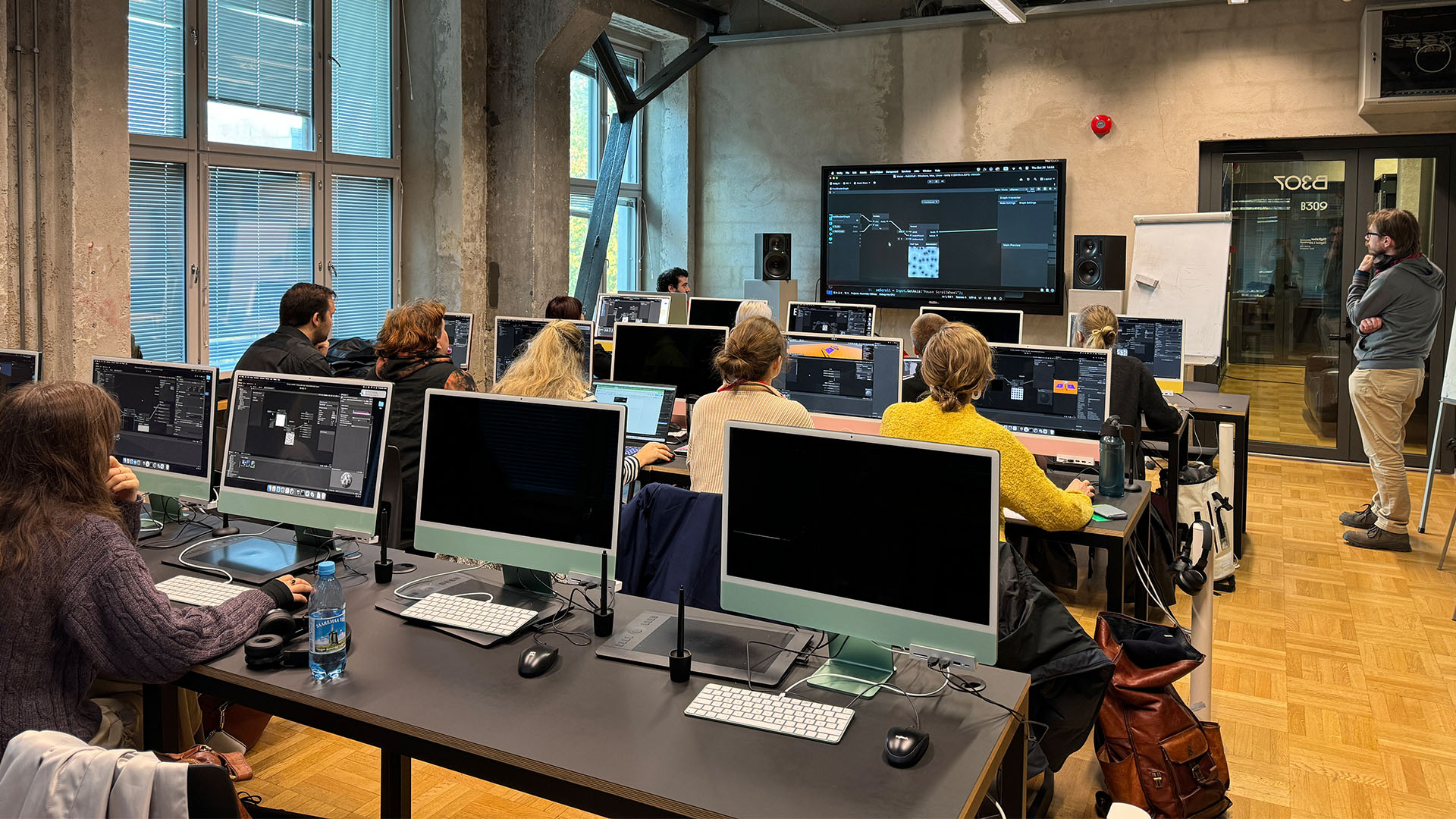
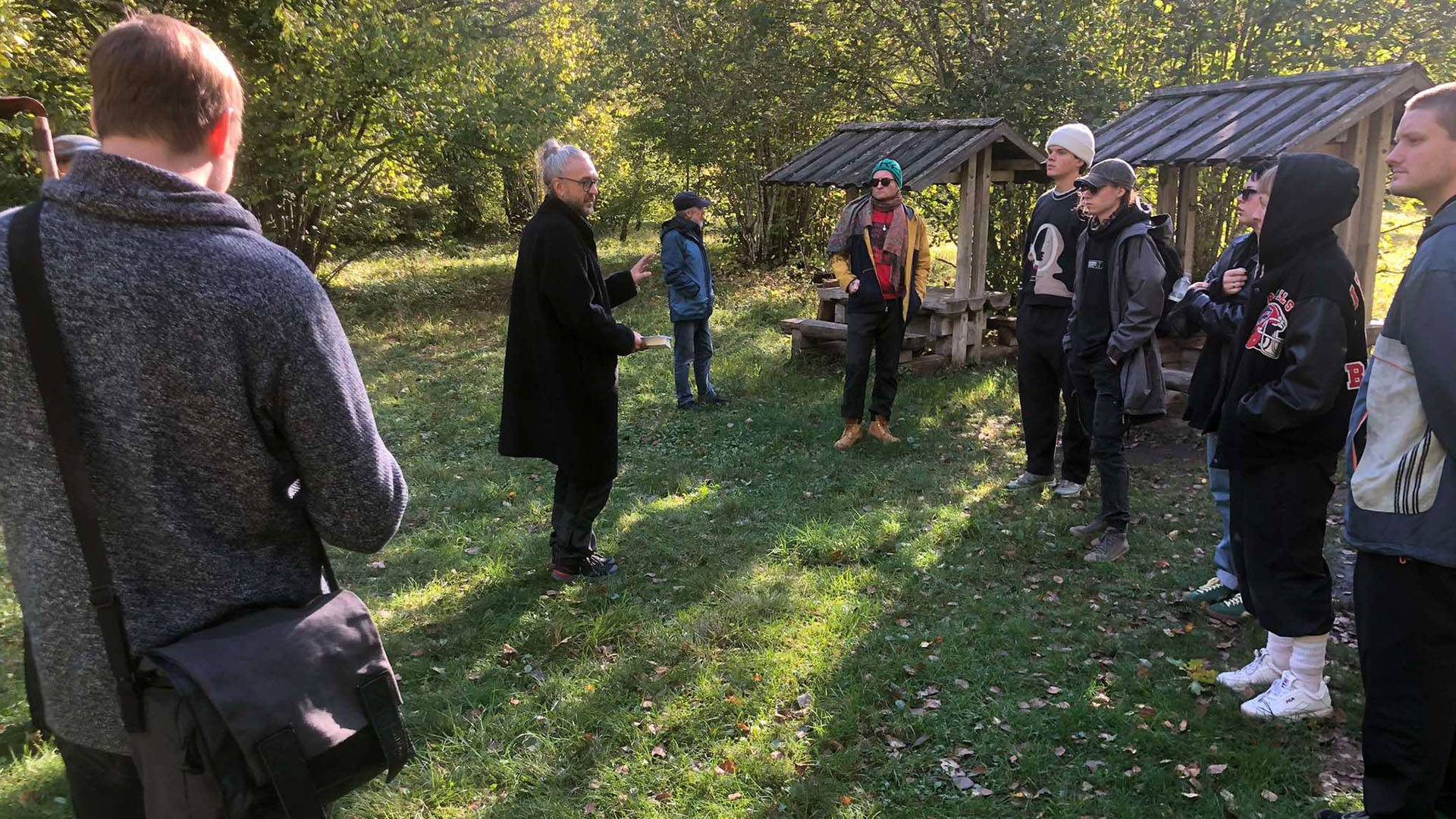
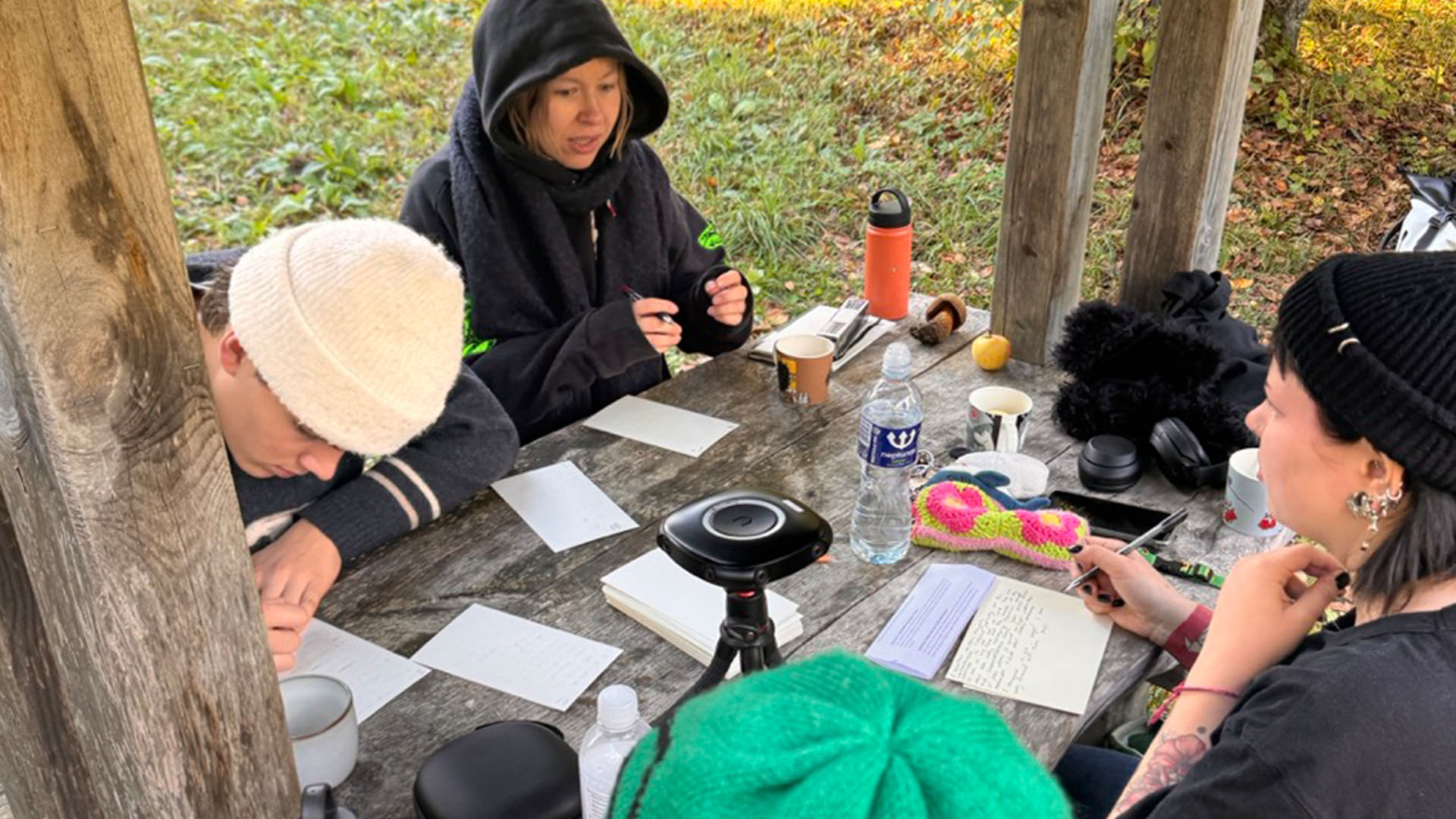
Small Lives was an artistic research project by EVA Lab that took place at the Estonian Academy of Arts during the 2024/2025 academic year. The project grew out of an elective course and was carried out in collaboration between the departments of New Media, Cultural Heritage and Conservation and the Environmental Board of Estonia.
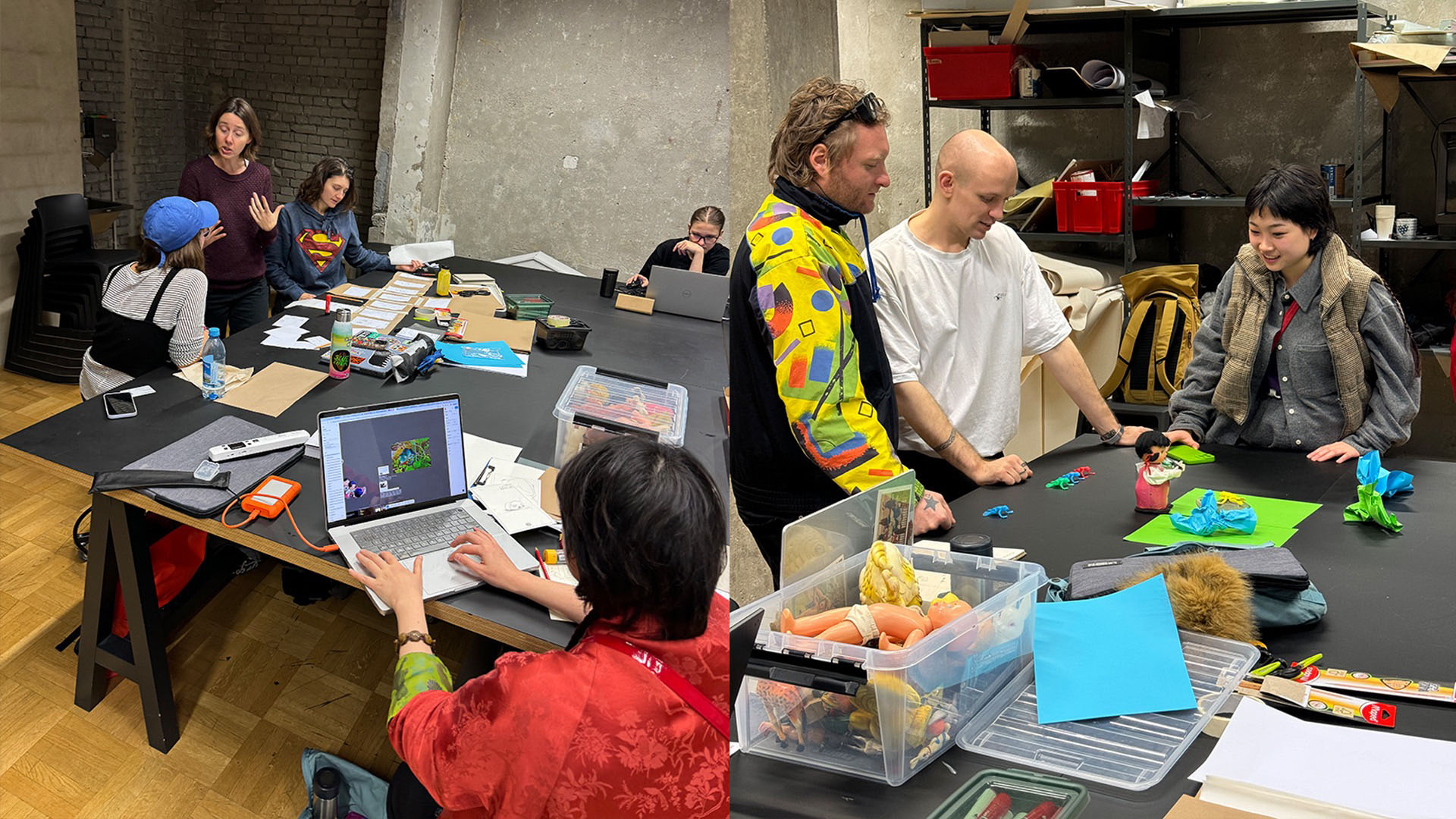
The project focused on the co-creation of augmented reality video games about Nedrema wooded meadows. Students from different disciplines worked together with artists, supervisors and partners to explore how playful and interactive forms can mediate natural environments, cultural heritage, attention and experiential learning.
The project resulted in publicly presented mobile games, video interviews with participants, and documentation that approaches game-making as an artistic research and pedagogical process.
A more extensive analysis of the project will be included in Taavi Varm’s doctoral dissertation at the Estonian Academy of Arts.
Research focus
The project explored how co-creative video game-making can function as a form of art education, artistic research, public knowledge sharing, and care within the framework of creative sustainability. It investigated how students translate experiences emerging from fieldwork, nature observation, and shared thinking into interactive and playful forms through a co-creative process supported by psychological concepts such as flow theory and mindfulness.
For EVA Lab, the project was an important step, as it brought together, for the first time, a longer educational process, augmented reality game-making, fieldwork, public presentation and institutional publishing within one coherent research framework.
Important: This research does not claim the status of a therapeutic intervention, but is based on the principles of art-based action research.
Participants and team
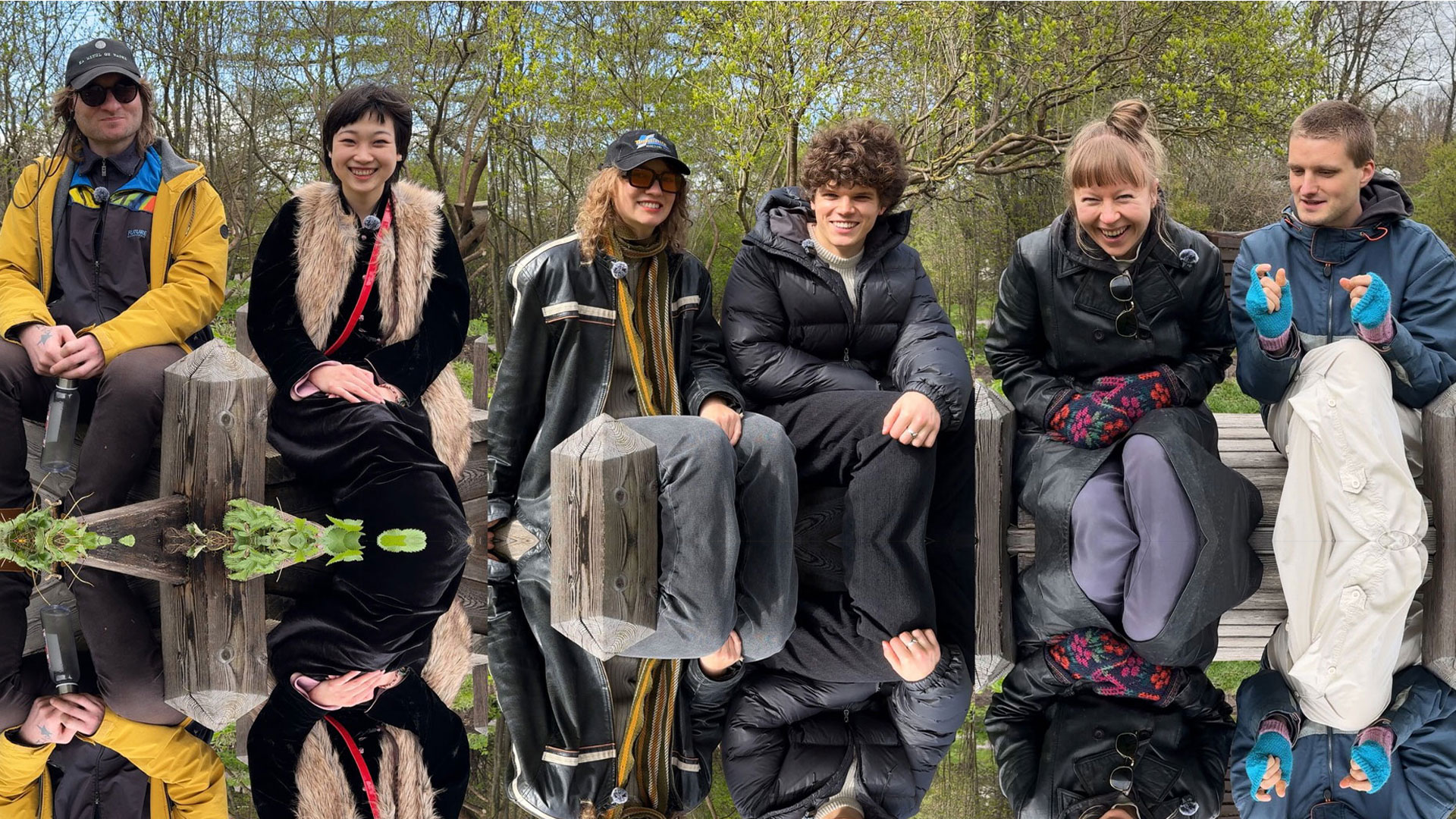
The project involved 12 students, mostly at the master’s level, from different disciplines across the Estonian Academy of Arts, including New Media, Photography, Architecture and Contemporary Art, as well as international exchange students.
Team:
Project lead and artistic researcher: Taavi Varm
Co-thinking lecturer: Andrus Laansalu
Technical developer: Jaagup Irve
External experts: Amanda Warner, Barış Can Soy and Maarja Nuut
Feedback and support: Sten Saarits and Camille Laurelli
WoodMeadowLIFE project lead: Riin Alatalu, Associate Professor and Coordinator of the UNESCO Chair on Cultural Heritage Studies
Games and prototypes
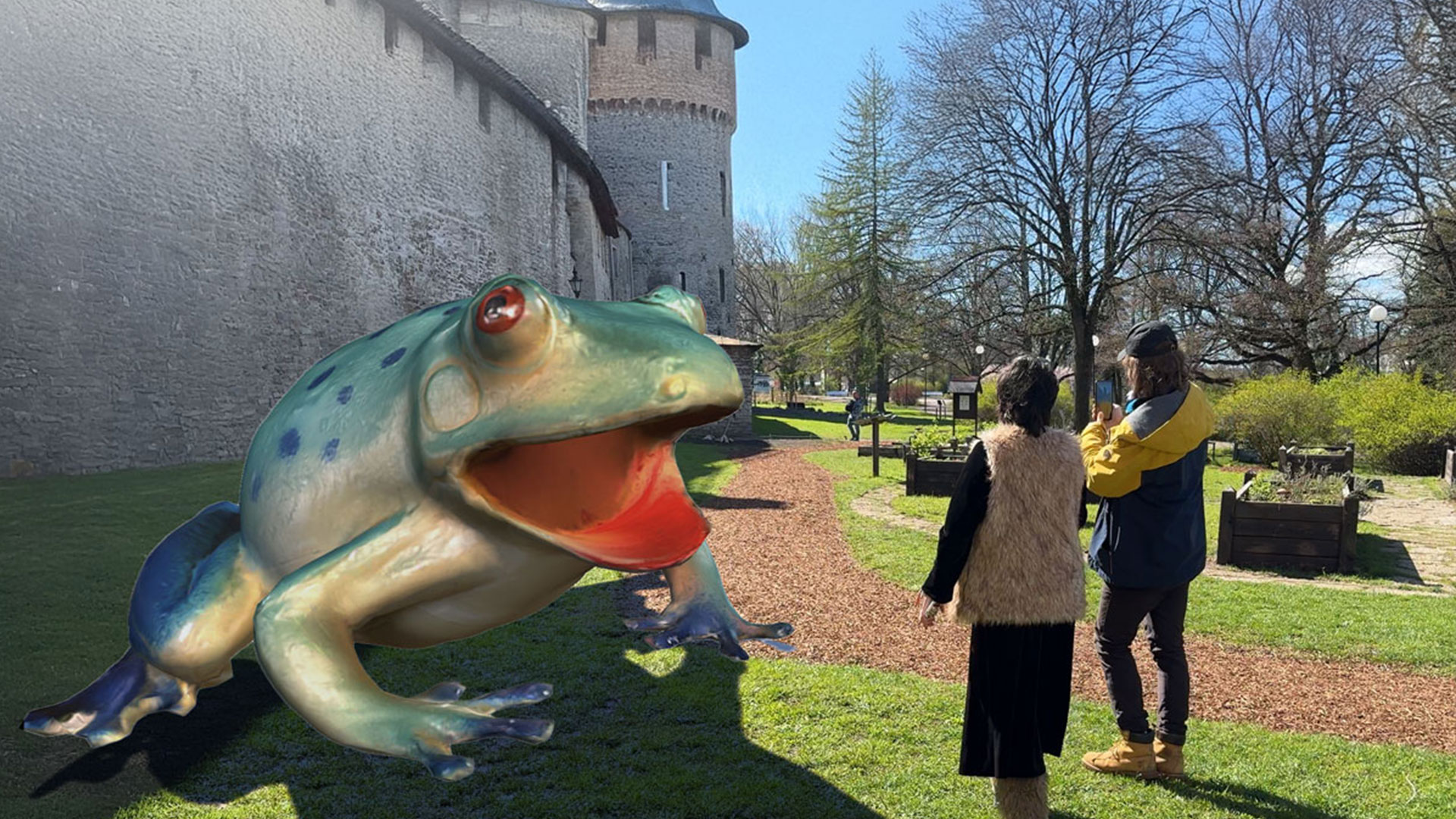
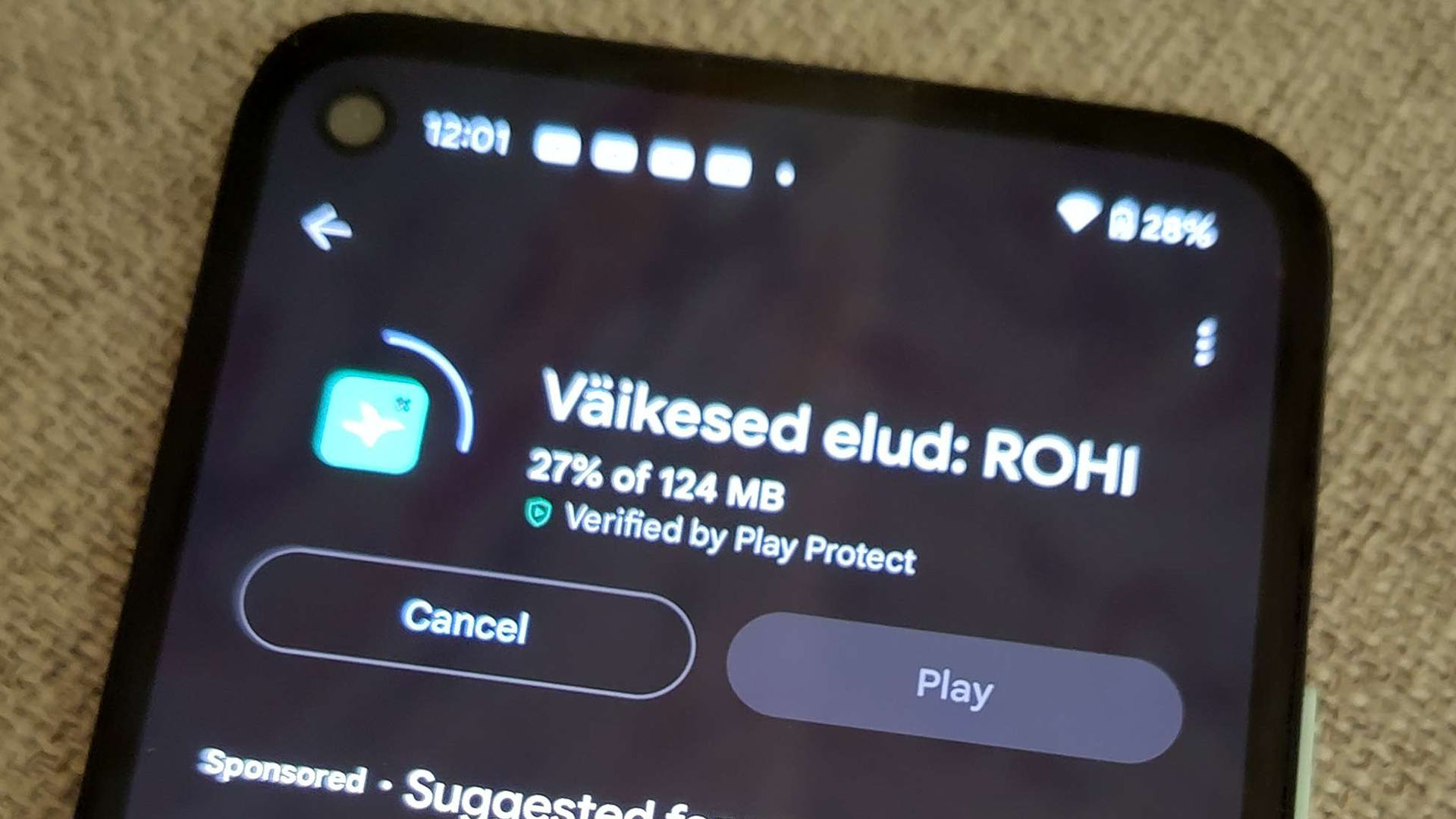
The project resulted in augmented reality mobile games published under the shared title Small Lives. The published games were KUUK, CODA, Songs of Harvest and The Plant Walker. Each game approached the topic of wooded meadows from a different perspective, using playful, visual, spatial and sonic solutions.
A fifth game, MULD, remained unpublished due to technical reasons. This experience also became important from a research perspective, as it revealed the tension between an ambitious artistic vision, technical implementation and the conditions of publishing.
Try the games
The Small Lives games are available for download on the Apple App Store and Google Play.

Video documentation
In the final phase of the project, video interviews were conducted with participants. These functioned both as documentation and as a reflective method. The interviews allowed participants to look back at their creative process, articulate the tensions and discoveries they experienced, and transform individual and collective experiences into shareable knowledge.
Dissemination and visibility
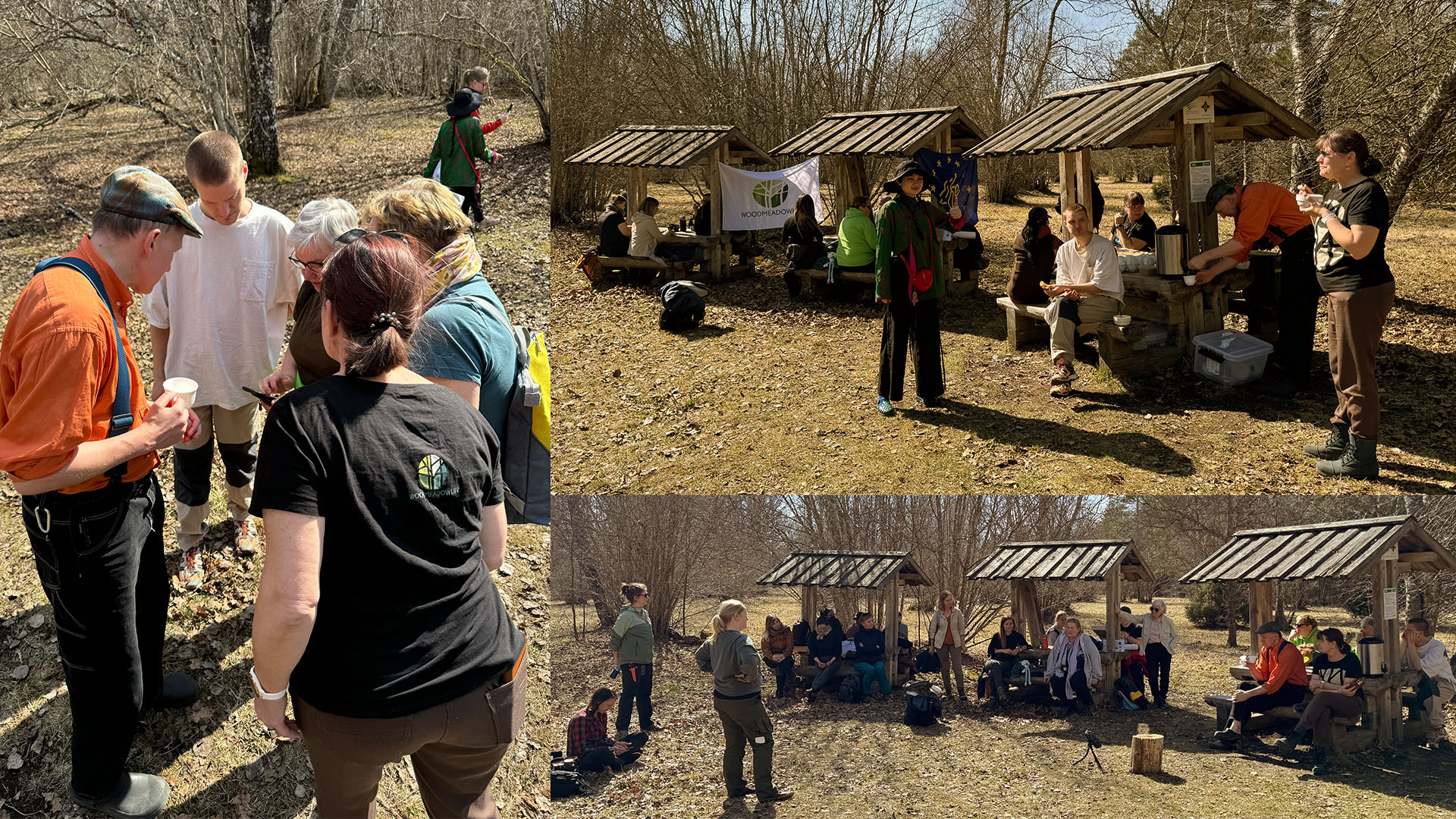
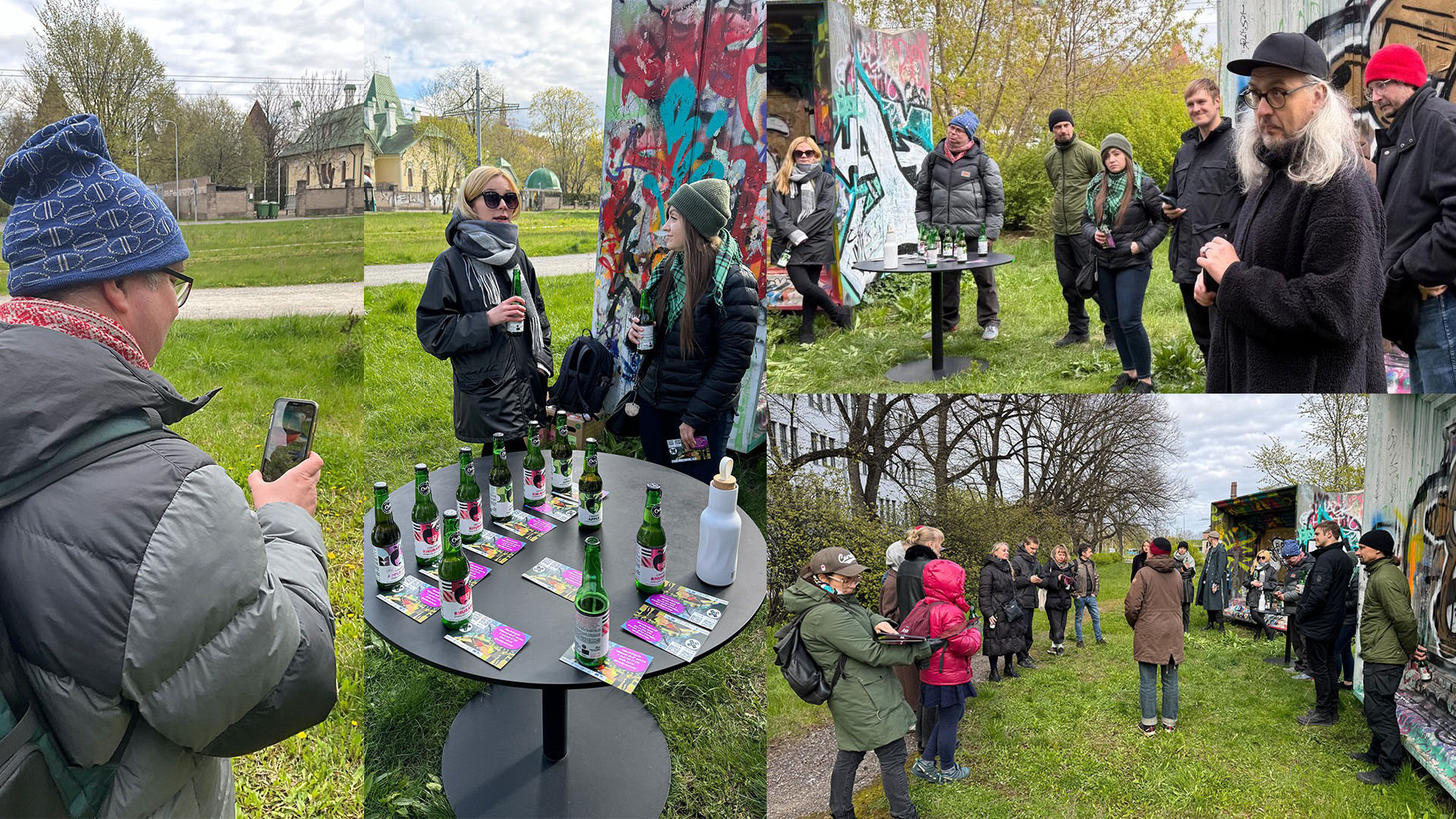
The results of the project were publicly presented in spring 2025. The first presentation took place at Nedrema wooded meadow in collaboration with the Environmental Board of Estonia and invited teachers from all over Estonia. The second public presentation took place on the glassii boulevard in front of the Estonian Academy of Arts.
The project also reached a wider public through media coverage, including Kanal 2’s morning programme Telehommik, Vikerraadio’s science programme Labor, and Õpetajate Leht.

Science programme “Labor” interview
This content is in Estonian.
Õpetajate leht
This content is in Estonian.
Partners and support
The project was carried out within EVA Lab at the Estonian Academy of Arts. The project partners and supporters were the Department of New Media at EKA, the Department of Cultural Heritage and Conservation at EKA, the UNESCO Chair on Cultural Heritage Studies at EKA, the Environmental Board of Estonia, and the University of Tartu’s WoodMeadowLIFE project.
The project was funded by the European Union.
