
Research focus
The Plant Walker is an artistic research project that brings together an augmented reality video game, walking, slow attention and autoethnographic reflection. The project grew out of the Small Lives process, but shifts the focus from the participants’ experience to the artistic researcher’s own creative process. The starting point of the project was the question of how making a game can support the artistic researcher’s own mental health, psychological well-being and creative sustainability.
The practical outcomes of the project are a slow augmented reality game and a later video essay inspired by Magnus Bärtås’s work story format. The game creates space for attentive movement, encounters with plants and landscape, and experimentation with slower forms of play. The project approaches the game not only as a finished work, but as a process through which attention, exhaustion, slowness, presence and creative sustainability can be observed. What matters is not only the game that was made, but also how making it affected the rhythm of work, embodied experience, and the relationship with oneself and the surrounding environment. The Plant Walker is an important project for EVA Lab: it connects the video game as an artistic medium, game-making as an artistic research method, psychological well-being, and slow, ecologically sensitive play.
Important: This research does not claim the status of a therapeutic intervention, but is based on the principles of art-based action research. A central finding of the research project is that a slow, attentive and non-competitive mindset and creative process can support psychological well-being and creative sustainability.
A more extensive analysis of the project will be included in Taavi Varm’s doctoral dissertation at the Estonian Academy of Arts.
Team
Artistic researcher and game creator: Taavi Varm
Texts and feedback: Andrus Laansalu
Music and sounds: Taavi Varm and Andrus Laansalu
Voice-over for the 360 photo texts: Peeter Rästas
WoodMeadowLIFE project lead: Riin Alatalu, Associate Professor and Coordinator of the UNESCO Chair on Cultural Heritage Studies
Process
The process began with the wish to create a slow and ecologically sensitive augmented reality game that would not ask the player to hurry, compete or optimise goals. Instead, the focus was on walking, observing, being present and relating to plants and landscape.
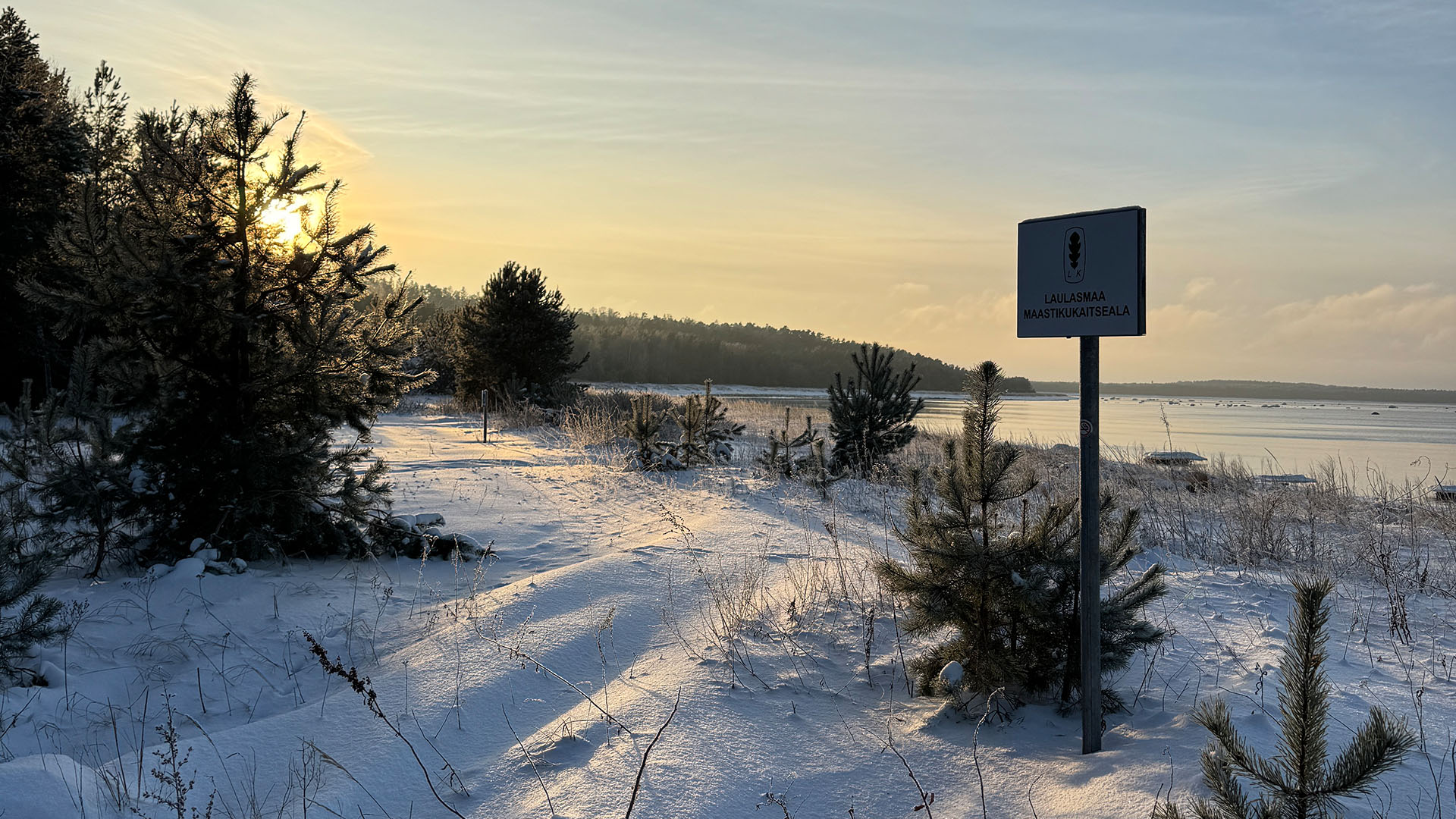
The game was developed in the Unity game engine and involved repeated testing in natural environments. Walking, technical development, observing the landscape, diary notes and later reflection became part of one artistic research process. An important part of the project was slowing down the rhythm of work. Walking in forests and natural environments became a way to step away from the computer, interrupt the pressure of constant productivity and create conditions for observing attention and one’s own state of being.
The game and video essay
Try the game
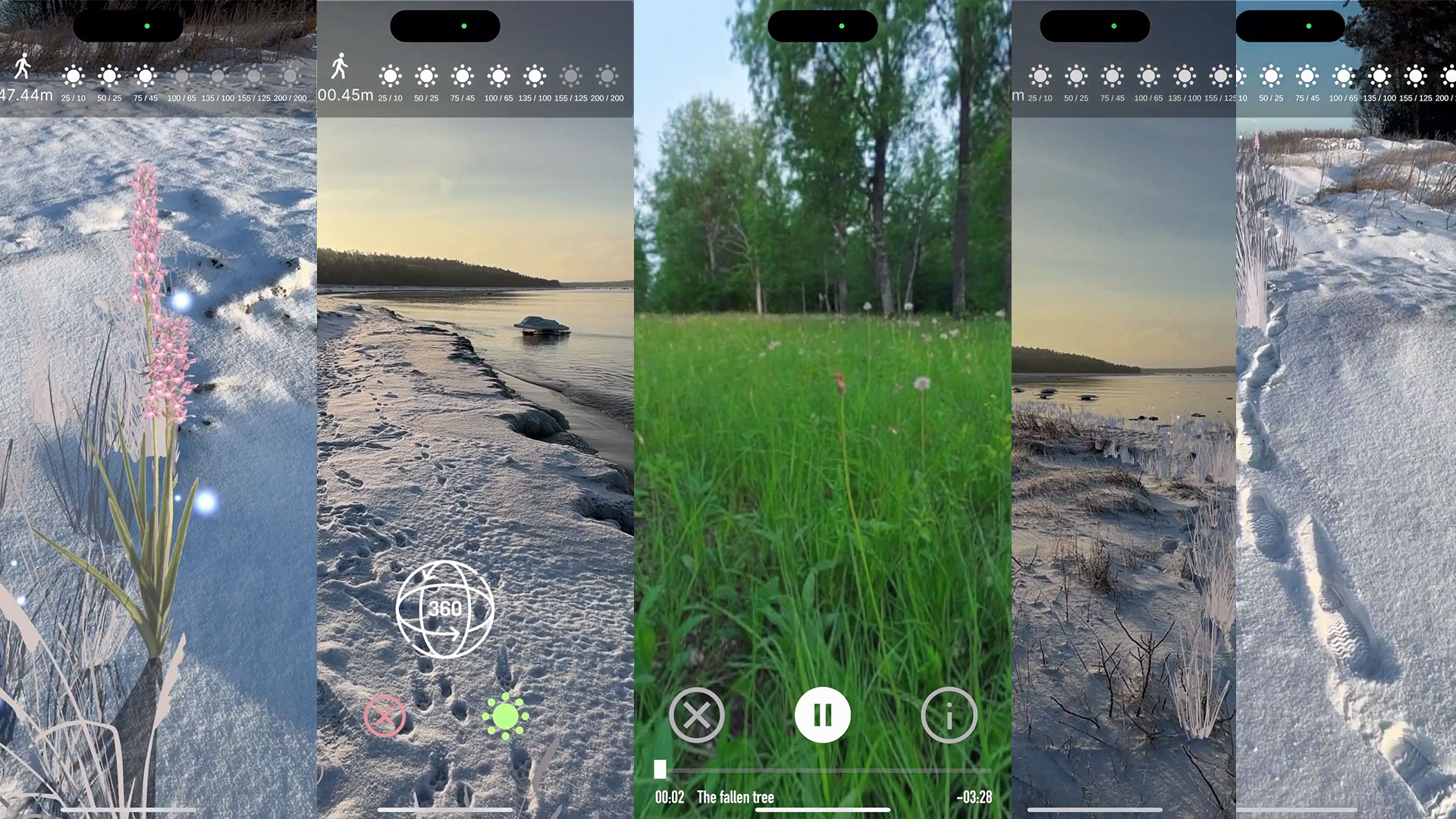
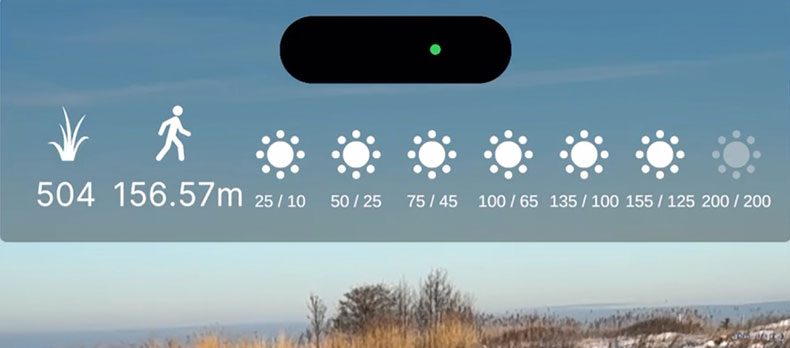
The Plant Walker is a slow augmented reality walking game. The game invites the player to walk, notice and relate to the surrounding environment. Its aim is not to offer fast performance or a goal-oriented experience, but to create space for slower attention and presence.
The game is inspired by Nedrema wooded meadow and includes 360-degree views from the meadow. The texts were written by Andrus Laansalu and voiced by Peeter Rästas. The game’s sonic world includes original music by Maarja Nuut.
Video essay
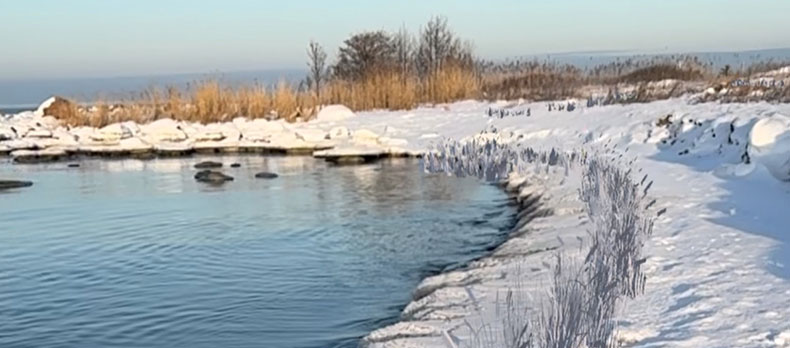
The second public outcome of the project is a video essay, developed almost a year later as a reflective artistic research and artistic form. The video essay makes it possible to return to the process of making the game and to articulate connections between making sense of the lived experience, exhaustion, slowing down, walking in nature and creative sustainability.
Partners and support
The project was carried out within EVA Lab’s Small Lives project at the Estonian Academy of Arts. The project partners and supporters were the Department of New Media at EKA, the Department of Cultural Heritage and Conservation at EKA, the UNESCO Chair on Cultural Heritage Studies at EKA, the Environmental Board, and the University of Tartu’s WoodMeadowLIFE project. The project was funded by the European Union.
